


When you're preparing to sell your home, there's a lot to think about. From pricing and staging to photography and marketing, every detail matters. But there's one step that sellers often overlook until they're already under contract: the home inspection. Most buyers schedule a home inspection after their offer has been accepted. While that's a standard part of the real estate process, waiting until then to uncover potential issues can create unnecessary stress, unexpected negotiations, and even delays in closing. That's why I often recommend that sellers consider a pre-listing home inspection before their property ever hits the market. Here's why taking this proactive step can make a big difference: Avoid Last-Minute Surprises Imagine accepting a great offer on your home, only to have the buyer's inspection uncover an issue you didn't know existed. Maybe it's a plumbing leak, an electrical concern, or a roofing issue that needs attention. Suddenly, you're facing repair requests, additional negotiations, or the possibility of the buyer walking away. A pre-listing inspection gives you the opportunity to identify potential concerns ahead of time, so you can address them on your schedule rather than scrambling to resolve them during escrow. The fewer surprises during escrow, the smoother the transaction can be. 2. Prevent Unnecessary Delays During Escrow Timing is everything in real estate. Once your home is under contract, there are deadlines to meet, contingencies to navigate, and multiple parties working toward a successful closing. If a buyer's inspection reveals a significant problem, it can trigger additional inspections, contractor estimates, repair negotiations, or requests for credits. Depending on the issue, these steps can slow down the transaction. By identifying concerns before listing, sellers can make informed decisions early and potentially eliminate some of the obstacles that might otherwise delay closing. While a pre-listing inspection doesn't guarantee a delay-free sale, it can help everyone move forward with fewer unknowns. 3. Make Repairs on Your Terms One of the biggest advantages of a pre-listing inspection is having more control over the repair process. When an issue comes up during escrow, sellers may feel pressured to make quick decisions to keep the transaction moving. Before listing, you have more flexibility. You can get multiple contractor estimates, prioritize necessary repairs, determine which improvements make financial sense, and decide whether to address an issue or disclose it to potential buyers. Not every inspection finding requires a repair. Sometimes, knowing about an issue and pricing the property accordingly is the better strategy. The key is being able to make that decision before you're negotiating against the clock. 4. Build Buyer Confidence Today's buyers want to feel confident about their investment, especially when making a major financial decision like purchasing a home. Providing a recent pre-listing inspection report, along with documentation of any completed repairs, can demonstrate transparency and show buyers that you've taken a proactive approach to preparing your property. That added confidence may help buyers feel more comfortable moving forward with an offer. It's important to remember that buyers may still choose to conduct their own inspections, and a pre-listing inspection doesn't replace their due diligence. However, it can help establish trust from the beginning. 5. Protect Your Negotiating Position Unexpected inspection findings can sometimes give buyers an opportunity to request substantial repair credits or renegotiate their original offer. When you're already under contract and working toward a closing date, those conversations can become stressful. Knowing your home's condition ahead of time allows you to develop a pricing and marketing strategy that accounts for potential concerns. You can also enter negotiations with a clearer understanding of the property's condition, what repairs have been completed, and what costs may be involved. Preparation gives you more information, and information gives you more confidence when negotiating. Not every home or situation requires a pre-listing inspection, but it's an option worth considering, particularly for older homes, properties with deferred maintenance, or sellers who want to minimize surprises during escrow. Here on California's Central Coast, homes vary widely in age, construction, and condition. From established neighborhoods in Paso Robles to rural properties throughout San Luis Obispo County, every property comes with its own considerations. A pre-listing inspection can help you better understand what you're bringing to market and create a more informed plan for selling. Keep in mind that inspection findings may create additional disclosure obligations under California law. It's important to discuss the results and your disclosure responsibilities with your real estate professional. Selling your home isn't just about attracting the right buyer. It's about getting from an accepted offer to a successful closing with as few complications as possible. That's why I believe preparation is one of the most valuable parts of the selling process. From recommending trusted local professionals to helping you determine which improvements are worth making before listing, my goal is to help you make informed decisions that protect your time, investment, and peace of mind. Thinking about selling your home in Paso Robles or anywhere on the Central Coast? Let's connect before you list. Together, we can create a strategy that positions your home for success from day one.

People often discover North San Luis Obispo County through Paso Robles wine country. Then something interesting happens. They begin exploring. They find Saturday mornings in Templeton. They discover the oak-covered roads of Atascadero. They take the back roads through Adelaida, Creston and Santa Margarita. They find favorite coffee shops, trails, wineries, restaurants and local businesses. Eventually, the conversation changes from “We love visiting here” to “Could we actually live here?” That is one of my favorite conversations to have. Because North County is much more than a real estate market. It is a collection of communities, each with its own personality, surrounded by an extraordinary mix of vineyards, ranches, neighborhoods, estates and open land. And choosing where to live here is deeply personal. Some buyers want to walk downtown. Others want twenty acres and no visible neighbors. Some want a vineyard. Some want a workshop. Some want a place where several generations of their family can gather. The job is not to convince you which version of North County living is best. It is to help you discover which version feels like yours. If you are considering buying, selling or simply exploring what your next chapter could look like on the Central Coast, I am always happy to be a resource.

Not every property requires the same expertise. If you are selling a conventional home in a large subdivision, there may be dozens of recent comparable sales. If you are selling a vineyard estate, ranch, winery or luxury property on acreage, the process becomes more specialized. Ask prospective agents how they determine value when comparables are limited. Ask how they market beyond the MLS. Ask whether they understand wells, septic systems, agricultural zoning, vineyards, outbuildings and multiple residences. For vineyard property specifically, ask whether they can speak comfortably with a buyer about the agricultural asset—not simply the house. My own path into real estate followed more than 15 years working in viticulture and winemaking. That background shapes how I evaluate, position and communicate about wine-country property today. Specialized real estate deserves specialized representation. The person representing your property should understand what makes it valuable before they try to explain that value to anyone else.

The body content of your post goes here. To edit this text, click on it and delete this default text and start typing your own or paste your own from a different source.

Online valuation tools can be useful for satisfying curiosity. But they cannot walk your property. They do not see the view from your back patio. They do not understand that your guest house has a separate entrance, your barn is exceptionally well built or your ten acres include improvements that fundamentally change the property. They may not adequately account for a vineyard, agricultural infrastructure, water systems, unique architecture or the difference between two rural locations that appear similar on a map. That is particularly important in North County, where properties can change dramatically within a relatively short distance. Automated estimates work from data. Real estate valuation requires context. If you are considering selling, start with a property-specific analysis rather than making a major financial decision based solely on an algorithm.

One of the first questions sellers ask me is, “What should we fix?” The answer is rarely “everything.” Before spending money, separate projects into three categories. First: maintenance issues that could make buyers worry the property has not been cared for. Second: relatively inexpensive improvements that significantly improve presentation. Third: major renovations that may or may not deliver a worthwhile return. The first two categories often deserve attention. The third requires more thought. A seller can easily spend tens of thousands of dollars remodeling a space only to discover the buyer would have preferred something different. Sometimes fresh paint, updated lighting, landscaping, professional cleaning and thoughtful staging are enough to completely change the way a home presents. My preference is to walk the property before you start spending. The goal is not to make your home perfect. It is to invest where buyers are most likely to notice the difference.

Two properties can both be described as “vineyard estates” while offering completely different ownership experiences. One may have a small vineyard maintained primarily for beauty and personal enjoyment. Another may include significant producing acreage, agricultural infrastructure and commercial contracts. That distinction matters. If you want the wine-country aesthetic without becoming deeply involved in agriculture, a lifestyle property may be ideal. If you want agricultural income, vineyard operations or a future wine business, you need to evaluate the property differently. Neither is better. They simply serve different goals. Before beginning your search, decide how involved you want to be. Do you want to look at vines? Farm vines? Sell grapes? Make wine? Build a brand? Your answer can dramatically narrow the search—and help us find a property that matches your vision instead of creating obligations you never wanted.
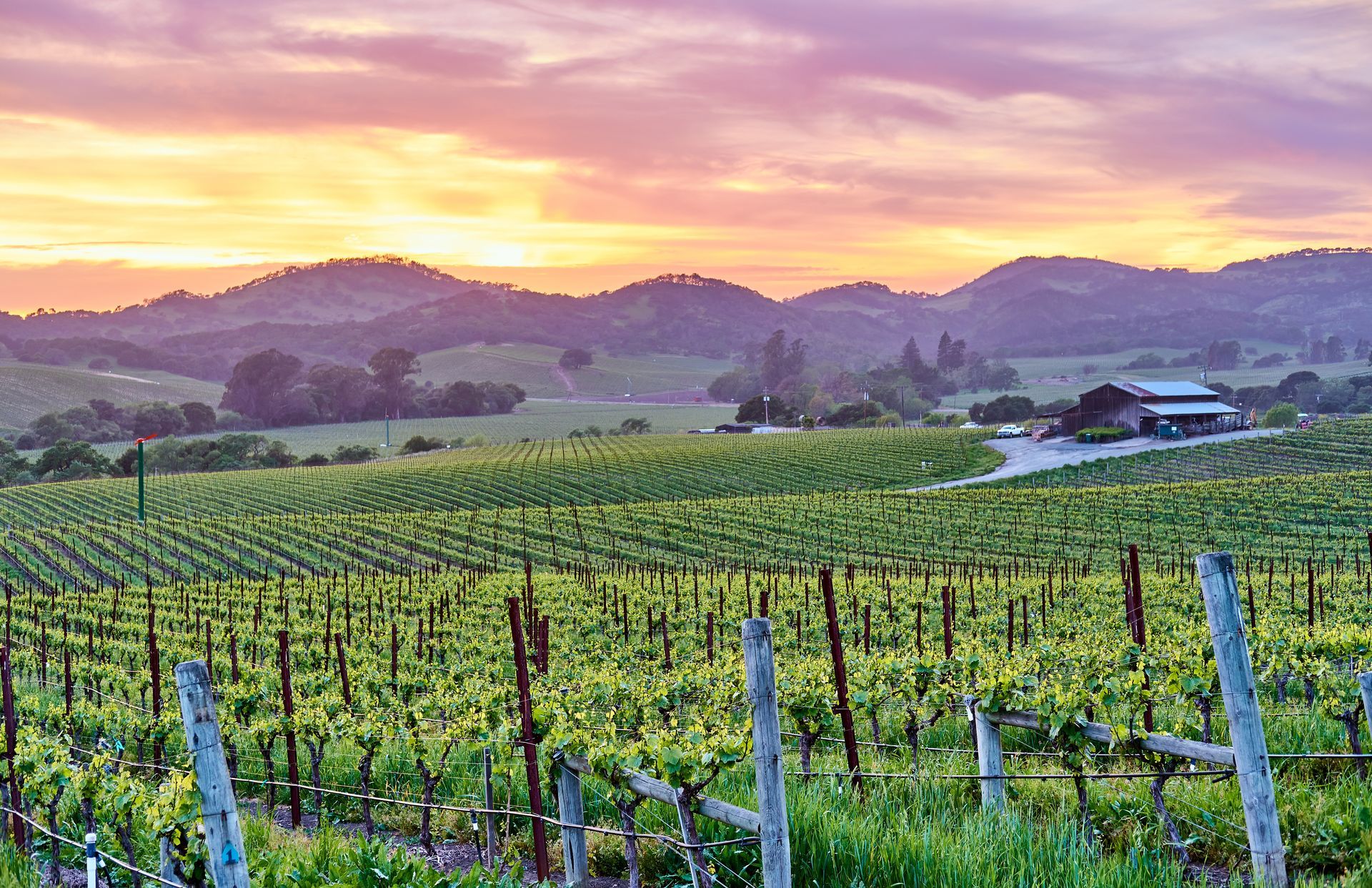
Paso Robles attracts second-home buyers for many of the same reasons people vacation here: wine, food, open space, scenery and a relaxed Central Coast lifestyle. But choosing a second home requires slightly different thinking than choosing a primary residence. Ask yourself how you plan to use it. Do you want to walk downtown? Would you rather have a private wine-country retreat? How often will you visit? Who will maintain the property when you are away? Do you want enough room for extended family and friends? Would a low-maintenance home be more enjoyable than acreage? There is no single version of the perfect Paso Robles second home. For some buyers, it is a downtown bungalow. For others, it is a vineyard estate where everyone gathers for the weekend. The best purchase is the one you will actually use and enjoy.
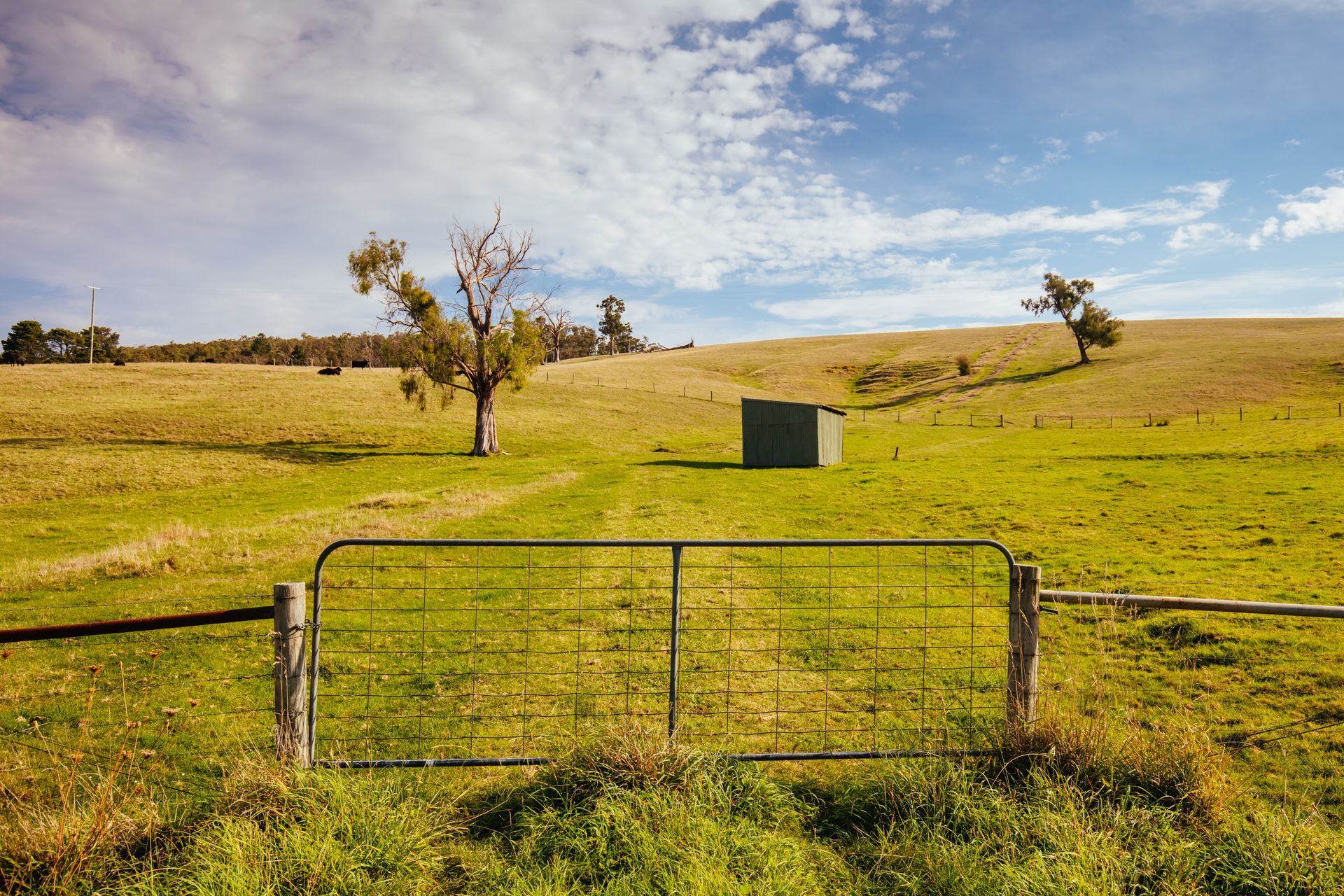
Rural properties are unique, which means sellers can make mistakes that would barely matter in a conventional neighborhood sale. Mistake #1: Focusing Only on the House Buyers are purchasing the entire property. Mistake #2: Not Gathering Documentation Well information, septic records, permits, vineyard records, leases and other property information can become important. Mistake #3: Ignoring Outbuildings Clean and organize barns, shops and storage areas so buyers can understand their value. Mistake #4: Overpricing Because the Property Is Unique Unique does not mean there is no market logic behind the price. Mistake #5: Marketing It Like a Standard Home Acreage, vineyards, ranches and estates often require maps, aerial imagery, detailed descriptions and targeted exposure. The more complex the property, the more important preparation becomes. Give buyers the information they need to understand what makes yours special.

Seeing “horse property” in a listing does not automatically mean the property will work for your horses. Start with usable acreage. Terrain matters. So do fencing, shade, water access, trailer access, barns, arenas, shelters and storage. Consider how the property functions during different seasons. Where does water drain? How accessible are different areas after heavy rain? Is there adequate room for feed, equipment and trailers? What improvements already exist, and are they permitted where required? Also consider location. If you ride or compete regularly, proximity to trails, trainers, veterinarians and major roads may matter just as much as acreage. The goal is not simply to buy land where horses are allowed. It is to buy property that works for both the horses and the humans who care for them.